
Aspects, not parts
Can we find a new vocabulary for the objectified body?

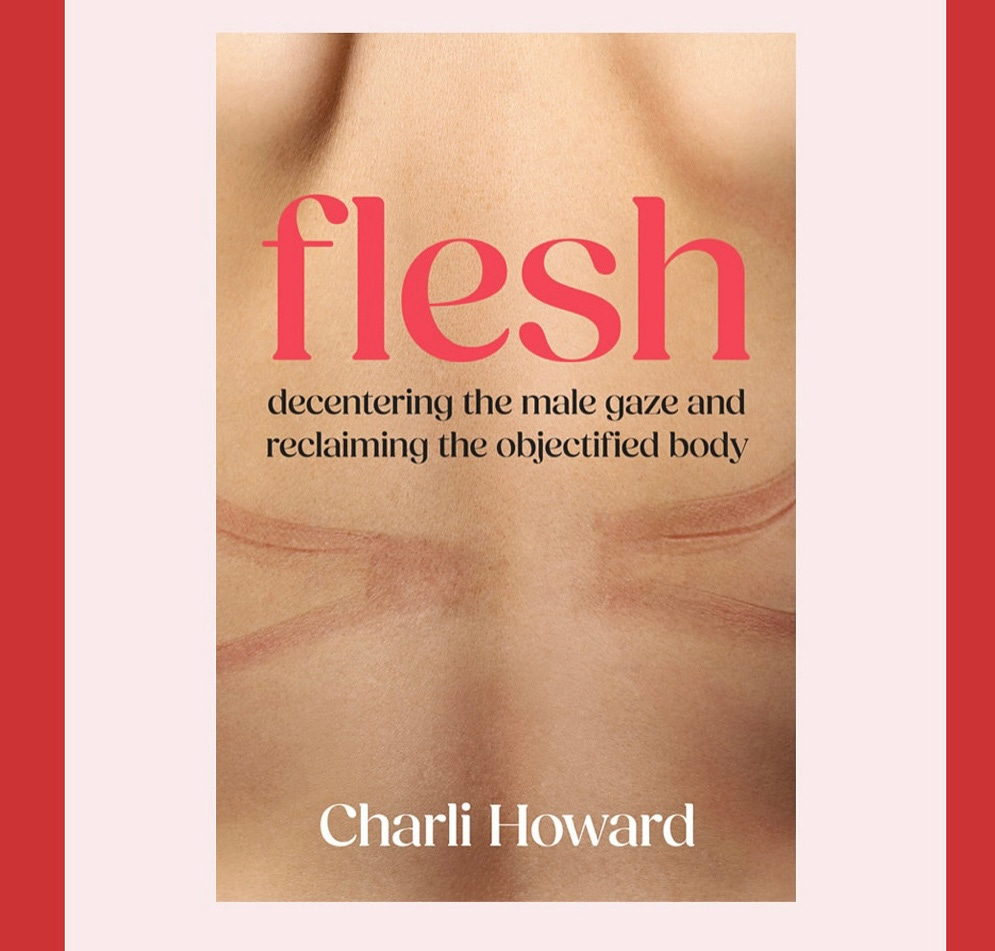
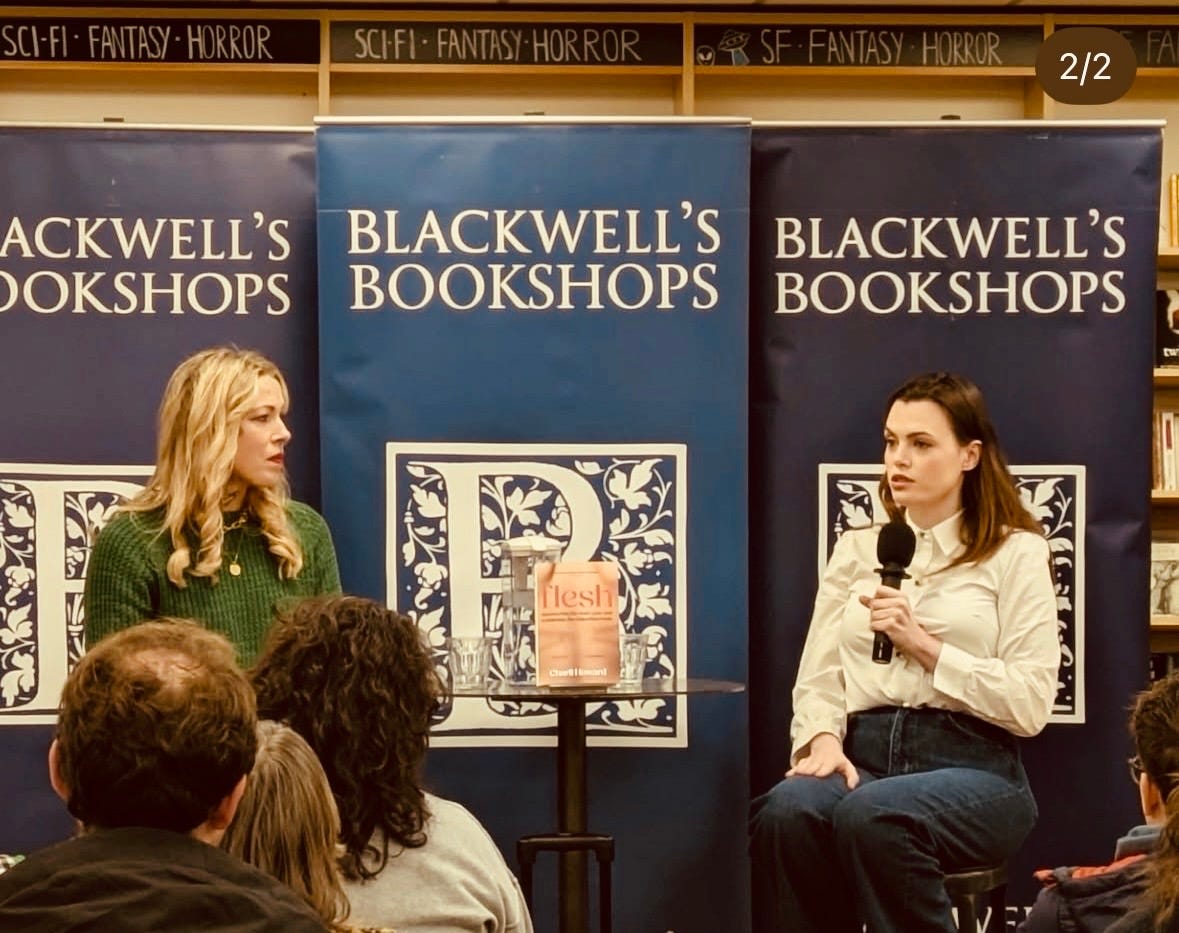
On the day that Louis Theroux’s alarming new documentary ‘Inside the Manosphere’ was released on Netflix (highlight: Louis’ revealingly pained facial expressions), I was in Manchester interviewing model and activist Charli Howard about her book ‘flesh’ which documents a lifetime of aggressive objectification. Her testimony begins:
“I have been a body many times in my life. I have rarely been a person.”
She continues:
“For much of my life, I have felt unsafe in my body, and nobody could tell me why. I was aware of my body at all times: the way it may or may not elicit attention from men; the ways I should posture myself to make it appear more attractive….how the way I dress may or may not be considered ‘suggestive’ or lead to unwarranted comments or behaviour. If I wasn’t constantly analysing my behaviour, my dress sense or how my body looked, then by God, other people would be.”
I found it remarkably hard to come up with questions ahead of my conversation with Charli. Why? Because almost every page of her book gave me a heavy feeling of recognition. Yes, this, I thought. And this. And this. I had a parallel memory for almost everything she described happening to her.
As well as reflecting on her own life, Charli examines the particular micro (and macro) aggressions levelled at disabled women, black women and trans women - I haven’t experienced those structural and interpersonal injustices and can’t claim to have that kind of embodied awareness of threat. Nor can I imagine the particular public scrutiny and trolling that Charli has faced as someone working in the modelling profession and modelling lingerie. But still, the overwhelming feeling I got as I read was: of course. A resigned sigh.
But I don’t want to linger here. I’m exhausted, in much the same way as Charli. I was particularly exhausted after watching ‘Inside the Manosphere’ on the train home and seeing Theroux interact with a clutch of influencers who have made themselves extremely wealthy by trading on / in ingrained racism and misogny. As Charli says:
“I was tired of men. Exasperated by men. Sick and tired of speaking about them, of worrying about them and what they could do to me, of what they thought of me, of what I thought of them… I was angry at myself for letting them consume so much space in my brain - trying to entertain them, be beautiful enough for them, be loved by them, to recover from them and the things they’d done.”
(Hashtag not all men, of course. But when we talk about sexual violence, it is nearly always a man).
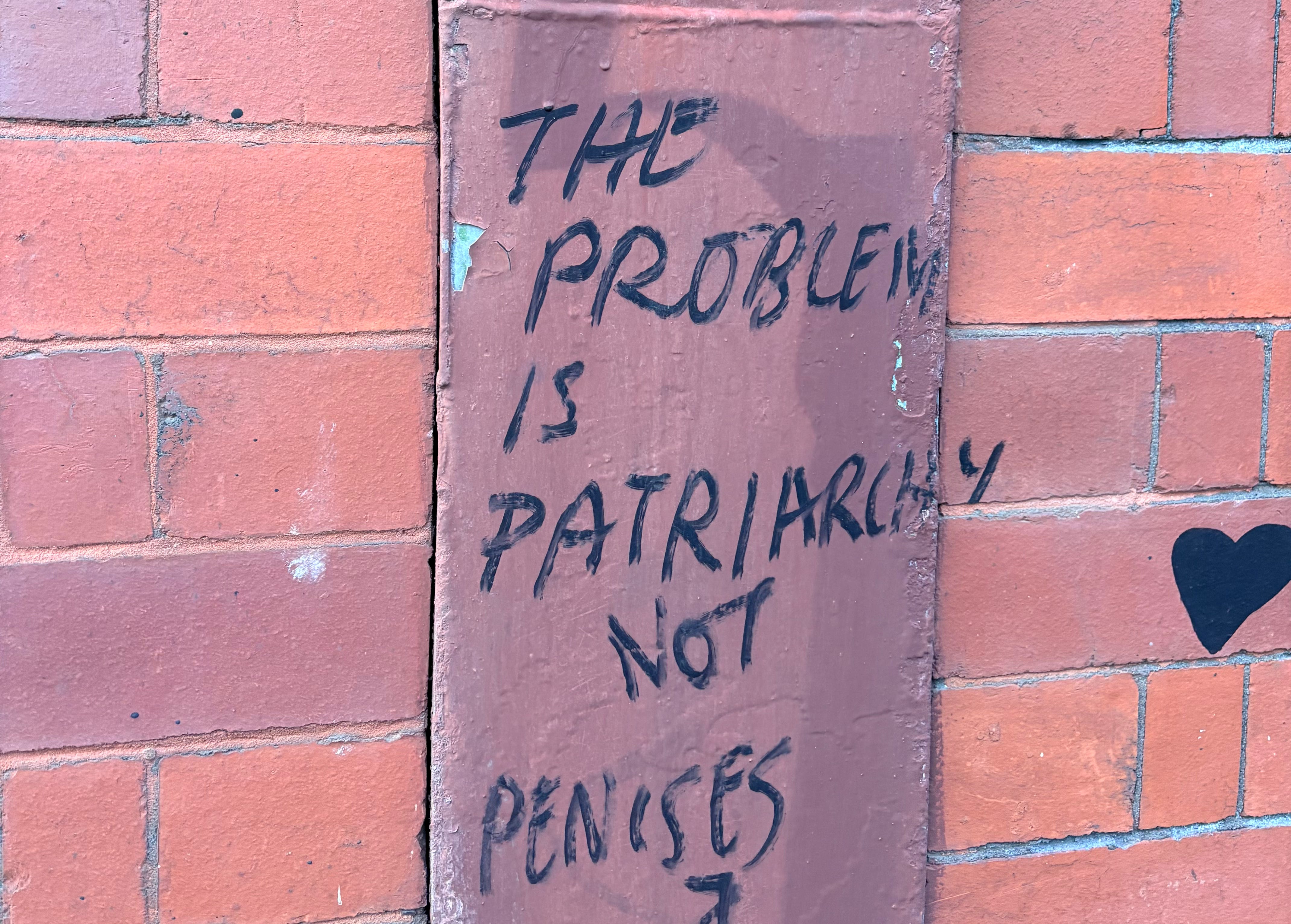
What I want to focus on is the structure of Charli’s book. To mirror the feeling of being split into constituent parts, she breaks the chapters down into aspects of the body: vagina, breasts, skin, stomach, thighs, brain, heart…. The final chapter is called ‘whole’ and moves towards de-centring the male gaze.
I like the word ‘aspect’ as a way of thinking about the body. That in itself feels like a small reclamation. Aspect is viewpoint. Aspect is facet, angle, feature, side, part, characteristic, and standpoint.
I thought about Robert Potts’ review - years ago - of Craig Raine’s A La Recherche du Temps Perdu, a poetry book described as an elegy for his dead lover Kitty Mrosovsky. Potts remarks of Raine’s take on the elegiac form:
“….after an itemisation, throughout the poem, of her body hair (20 chin hairs, nine around the nipples), breasts (large ones, “melons”), eyes (green), legs (shaven; “sleek and sexual as stripped twigs”, which surely means not sexual at all), cheekbones (”high”), hair (”dark, brown, fine”) and “bush” (”black, smoking”- smoking?), he concludes: “And now I have re-membered you.” But poetically, he has precisely dismembered her in a series of synechdoches, the efficient and reductive trope of pornography.”
I have made my feelings about Raine’s dismembering poetic tendencies known elsewhere, now isn’t the time (or the place!). But still, I re-read the review of ‘A La Recherche…’. Then I put the memory of that book in a box. I thought about how - as Charli Howard does - other poets can highlight aspects of the body in order to reclaim them.
To me, the word ‘aspect’ suggests a multiplicity: there is more to us than this.
I can’t map my own poetry onto all the aspects of ‘flesh’, but there are certainly category overlaps. I’ve written extensively about body dysmorphia and weight, as in ‘Scale’. I remember flinching in mild terror when POETRY published my long poem ‘Augmentation’, a kind of letter to my own breasts which looks at the urge to modify (and my eventual resistance). It opens with a piece called Flat Earth Society:
Half-shadowed, sidelong
in the mirror, I am the flat earth
no one believes in any more,a mythic landscape
before men knew better,
before maps were redrawn.I touch the milkless place
where my breasts bloomed
and I am tilled soil,tamped ground: nothing
grows in me, nothing
clings to my skin.Outside, acres of night,
the sound of a car starting,
the stars like a high roadto nowhere, fiery planets
I can’t see, ribbons
of moonlight and dust.How I want to walk them,
step out of my body,
move like an astronautacross the surface of my life—
leaden, miraculous, chest
cratered with light.
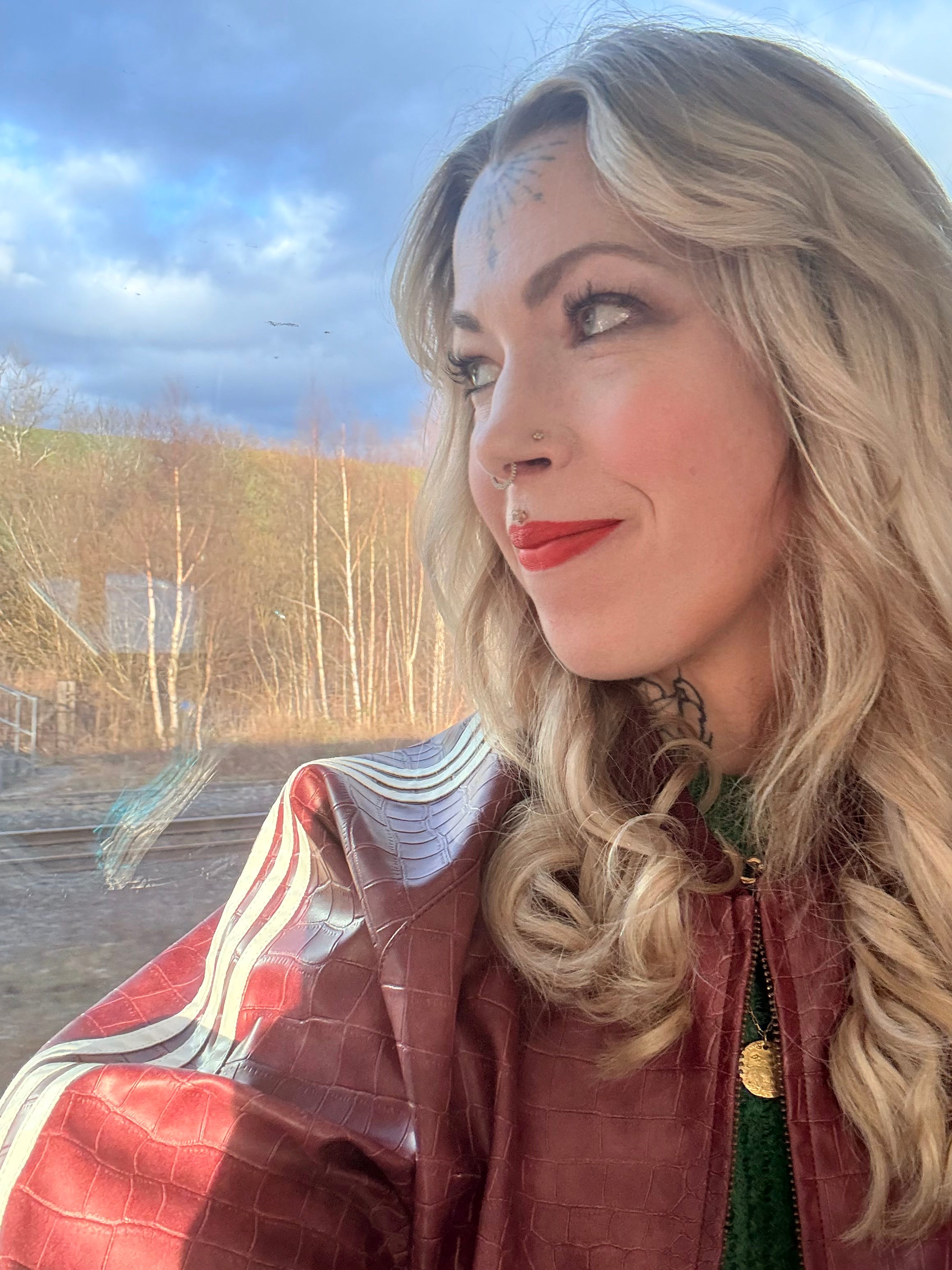
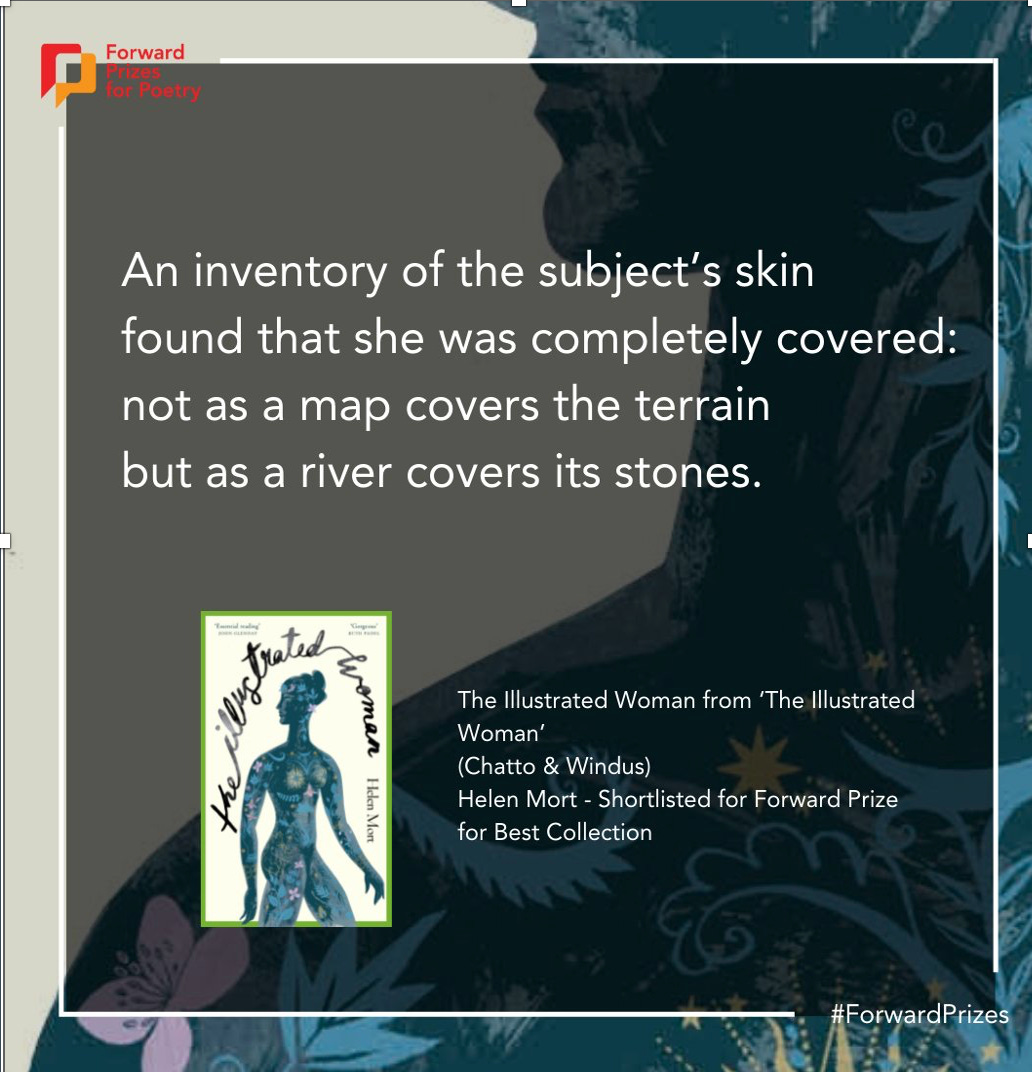
My third collection ‘The Illustrated Woman’ came from a desire to write about the body (my body) while also reaction against the notion that it was somehow ‘my subject’, that this might confine me. I used the tattooed female body as metaphor. Tattoo as intervention, as a means of de-centring the male gaze, tattoo as direct reclamation.
(ASIDE: after reading Charli’s book and considering ‘skin’, I was prompted to write down a list of all the questions men have asked me in public about my tattoos. These include:
Have you got them all over?
What will they look like when you’re older?
Where did it hurt the most, can I see?)
*
In ‘flesh’, Charli moves towards a hopeful conclusion:
“I’ve come to realise that my appearance is the least interesting thing about me and that is wonderful.”
Her candid and straight-talking account is in itself a kind of reclamation. I finished reading the book thinking about the everyday miracles our bodies perform, all the aspects of us.
I think I will only refer to body aspect from now on. I like the way it implies a distinction between what is seen and what is intrinsic.
*
I went to the gym yesterday and imagined what it would be like if everyone had a little cartoon thought bubble above their head which celebrated something about the history of their body and what it was doing as they worked out.
Woman doing tricep dips: my arms carried two children, lifted my dying father.
Man on the lat pull down machine: broken back, long recovery, long depression, still standing tall.
Woman lifting dumbbells: my hands fixed every broken thing in my house, built sheds and kingdoms.
Man on the Smith machine: these legs ran to keep up with my son when it seemed he was lost to me.
It helps me to think of strangers that way. It makes me adopt - at least for a while - the position David Foster Wallace moves towards in This is Water. Finding a means of empathy when the proximity of others can feel tiring, even frightening. Also, perhaps I’m just missing my childhood when I used to make cartoons and photo stories, my long-suffering step grandad made to pose for various narratives, thought bubbles made of sticky labels added after the photos had been developed.
Enough. It’s the weekend. I wish you and all the aspects of yourself - body and mind - well.